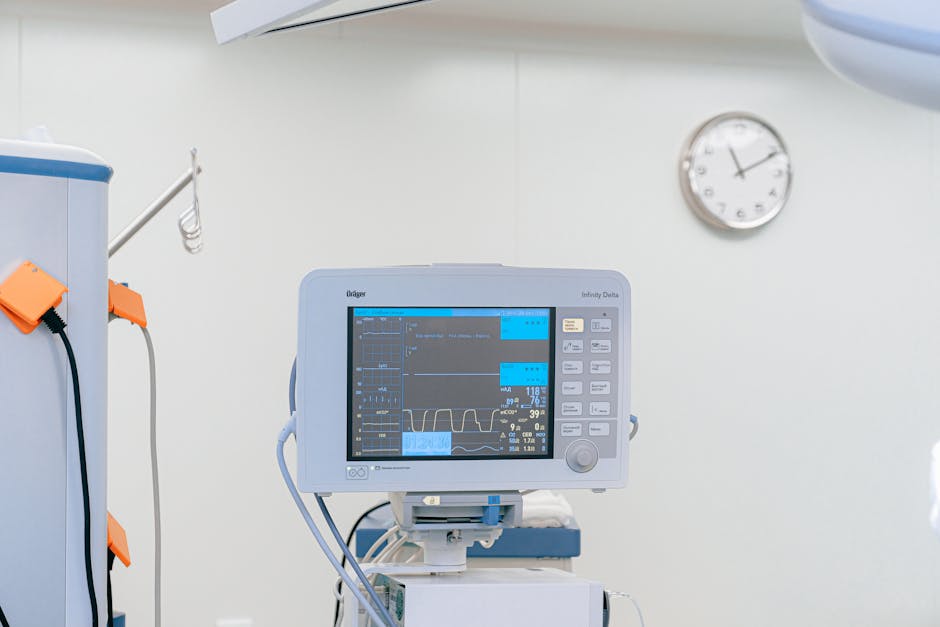



Implementing a new Electronic Health Record (EHR) system can feel like navigating a minefield. Healthcare organizations invest significantly in these technologies, yet often face an unexpected hurdle: staff resistance. Clinicians, administrators, and IT professionals, already stretched thin, can view new systems as another burden rather than an improvement.
This resistance isn’t necessarily a refusal to adapt; it often stems from fear of the unknown, disruption to established workflows, or a lack of clear communication. Without a robust strategy for managing this transition, even the most advanced EHR can fail to deliver its promised benefits. In our practice, we’ve seen firsthand how ineffective adoption leads to usability frustrations and wasted potential.
At The HIT Community, we understand these challenges intimately. We equip healthcare providers with the knowledge and tools to smooth the transition, ensuring technology serves patient care and operational efficiency. Explore our resources for healthcare professionals to learn how to empower your team through significant technological shifts.
What is Change Management in Healthcare?
Change management in healthcare refers to the structured approach for transitioning individuals, teams, and organizations from a current state to a desired future state. In the context of EHR adoption, it means preparing staff for new systems, guiding them through the learning process, and solidifying new workflows, minimizing disruption and maximizing acceptance.
Successful EHR implementation isn’t just about installing software; it’s about altering how people work, interact with data, and deliver care. Without a focused effort on the human element, even technically sound deployments can falter. Robert Claudio, our primary content creator, has consistently highlighted how the human factor often determines success or failure in large-scale IT projects. As researchers from the National Institutes of Health emphasize, organizational change requires more than just technical solutions; it demands a deep understanding of human behavior and motivation. Source: PubMed, “Organizational change and innovation in healthcare: a roadmap for understanding health technology adoption”

What is Lewin’s Three-Step Model?
Kurt Lewin’s three-step model provides a foundational framework for understanding and managing organizational change: Unfreeze, Change, and Refreeze. This model suggests that successful change requires first disrupting the status quo, then implementing new processes, and finally stabilizing the new practices to prevent reversion to old habits.
The “Unfreeze” stage involves preparing the organization for change, often by identifying and communicating the need for it. This means challenging existing norms and showing why the current system isn’t sustainable or optimal. In EHR adoption, this could mean highlighting inefficiencies in paper charts or limitations of legacy systems that impede patient care or compliance.
Next comes the “Change” stage, where the actual implementation of the new EHR occurs, along with associated training and workflow adjustments. This phase can be the most turbulent, requiring active communication, support, and problem-solving. This is where tailored training modules, super-user programs, and immediate helpdesk support become invaluable.
Finally, “Refreeze” stabilizes the new normal. New policies are enacted, successes are celebrated, and ongoing support reinforces the new behaviors. This prevents staff from slipping back into old habits once initial support fades. It integrates the new EHR into the fabric of daily operations, making it the standard way of working.
“Lewin’s model emphasizes that merely implementing a new system isn’t enough; organizations must actively ‘unfreeze’ old patterns and ‘refreeze’ new ones to ensure lasting change. Neglecting the ‘refreezing’ stage often leads to temporary shifts and eventual backsliding.”
What are the 5 P’s of Change Management?
The 5 P’s of change management are a useful mnemonic for structuring a successful change initiative: Purpose, Picture, Plan, People, and Performance. This framework helps ensure all critical aspects of a transformation are considered, providing a comprehensive strategy from initial vision to sustained results.
- Purpose: Clearly define the ‘why’ behind the change. What problem are you solving? What benefit will the EHR bring to patient care, efficiency, or compliance?
- Picture: Paint a vivid vision of the future state. What will life be like with the new EHR? How will workflows improve? This helps staff envision a positive outcome.
- Plan: Develop a detailed roadmap for implementation, including timelines, resources, training schedules, and communication strategies. Our Massachusetts-specific training programs often leverage such detailed plans.
- People: Focus on the human element. Identify key stakeholders, potential resistors, and champions. Engage staff early, provide robust support, and address concerns directly.
- Performance: Establish clear metrics to measure the success of the change and monitor its impact. How will you know the EHR adoption is truly effective?
Integrating these 5 P’s into your EHR adoption strategy creates a more structured and empathetic approach. In our work with healthcare systems, we’ve found that organizations that excel in addressing the ‘People’ aspect often experience less friction and faster buy-in.

Overcoming Staff Resistance: Practical Tips for EHR Implementation
Staff resistance can derail even the best EHR systems. Implementing practical strategies to engage and support your team is vital for successful adoption. We’ve compiled essential tips based on years of experience, including insights from our multi-year Reliant Medical Group EHR implementation series.
- **Engage Stakeholders Early:** Involve clinicians, nurses, and administrators in the planning process. Their input is invaluable for designing workflows that align with their daily realities. Build ownership from the start.
- **Communicate, Communicate, Communicate:** Establish transparent, consistent communication channels. Explain the rationale for the change, provide updates, and address concerns openly. Don’t let rumors fill information gaps.
- **Provide Targeted Training:** Generic training often fails. Develop role-specific modules, microlearning videos, and hands-on sessions. For example, specific training for Epic’s functionality can significantly reduce the learning curve, as detailed in our guide on Epic EHR system implementation best practices.
- **Leverage Super-Users:** Identify and train “super-users” or champions within each department. These individuals can provide peer-to-peer support, troubleshoot minor issues, and act as positive role models, reducing learning curves by half.
- **Offer Robust Post-Implementation Support:** Don’t abandon staff post-go-live. Establish a 24/7 helpdesk with screen-sharing capabilities for remote troubleshooting. We’ve seen 80% of tickets solved immediately this way, preventing minor frustrations from escalating.
- **Celebrate Small Wins:** Acknowledge and reward efforts during the transition. Recognizing progress and successful adaptation boosts morale and reinforces positive behavior.
What To Look For: Signs of Effective EHR Change Management
Measuring the success of your change management efforts goes beyond simple system uptime. It involves observing tangible improvements in staff engagement, workflow efficiency, and clinical outcomes. Look for these indicators that your strategies are making a real difference:
- **Increased User Adoption Rates:** Most clinicians and staff are actively using the new EHR for documentation, ordering, and patient management.
- **Reduced Workflow Disruptions:** Initial slowdowns are expected, but they should progressively decrease, with staff reporting smoother transitions between tasks.
- **Positive Feedback from Staff:** Surveys, focus groups, and informal conversations reveal an overall positive sentiment towards the new system and support provided. Usability frustrations decline.
- **Improved Data Accuracy and Completeness:** The EHR is being utilized to capture comprehensive and accurate patient data, leading to better clinical decision-making.
- **Lower Helpdesk Ticket Volume:** After the initial learning phase, fewer support requests indicate increased user proficiency and system stability.
- **Enhanced Interoperability:** Data exchange capabilities, like FHIR data exchange, are being effectively utilized for coordinated care.
- **Demonstrated ROI:** Improvements in billing cycles, reduced errors (e.g., a 30% error reduction as seen in some case studies), and better patient outcomes begin to manifest, proving the system’s value.
Realistic timelines for these changes can vary. Expect initial dips in productivity for 2-4 weeks post-go-live, with a gradual return to baseline and then improvements over 3-6 months. Sustained positive trends in efficiency and satisfaction typically emerge within 6-12 months.

Nuanced Suitability: When Alternatives or Different Approaches are Needed
While structured change management is crucial for large-scale EHR deployments, it’s not always a one-size-fits-all solution. The intensity and formality of your approach should align with the scale and complexity of the change itself. Not every minor system update requires a full Lewin model implementation.
For smaller practices, or when adopting simpler tools, a less formal, more agile approach might be appropriate. For instance, smaller clinics might find systems like athenahealth easier to integrate due to their intuitive design, requiring less intensive change management compared to the comprehensive implementation needed for Epic or Cerner in large hospital systems. Align the tools to the needs; a full-blown change management team isn’t always necessary for adopting a new telehealth platform like Doxy.me.
Consider the organizational culture. Highly adaptable teams with a history of embracing new technologies may require less hand-holding than those resistant to innovation. It’s also important to acknowledge that sometimes, the “alternative” isn’t a different system, but a phased rollout, or even delaying implementation until core operational issues are resolved. Building trust means understanding when to push for change and when to re-evaluate the timing or scope.
“Successful health IT adoption depends not just on the technology itself, but on ensuring it aligns with existing clinical workflows and effectively addresses the needs of users. Neglecting workflow integration can create more problems than it solves, regardless of how ‘advanced’ the system appears.”
Effective change management isn’t a luxury; it’s a necessity for any healthcare organization embarking on an EHR implementation. By proactively addressing staff concerns, providing comprehensive support, and fostering a culture of adaptability, you can transform potential resistance into enthusiastic adoption. This ensures your investment in technology translates into tangible improvements in patient care, operational efficiency, and staff satisfaction. Build a resilient team, and you’ll unlock the full potential of your health IT initiatives.