


Electronic Health Records (EHRs) are the backbone of modern healthcare, promising streamlined workflows, enhanced patient safety, and better data insights. Yet, realizing these benefits often hinges on one critical factor: effective training. Without it, even the most robust system becomes a source of frustration, leading to inefficiency, workarounds, and diminished return on investment.
Many organizations invest heavily in an EHR system only to find their teams struggling with its capabilities. Generic, one-size-fits-all training modules rarely address the specific day-to-day tasks and unique workflows of diverse roles within a clinical setting. Physicians, nurses, and administrative staff each interact with the EHR differently; their training needs are distinct, demanding tailored approaches.
That’s where role-specific EHR training becomes indispensable. By recognizing the varied needs across an organization, we can bridge the gap between powerful technology and practical application. At The HIT Community, we focus on empowering healthcare professionals to truly master their EHR systems, building on expertise from years of guiding successful implementations and fostering an environment of continuous improvement for using health IT effectively.
What Is Role-Specific EHR Training?
Role-specific EHR training tailors educational content and practical exercises to the unique responsibilities, workflows, and data access requirements of different user groups within a healthcare organization. This approach moves beyond general system navigation, focusing instead on how each specific role, like a physician, nurse, or billing specialist, will interact with the EHR to perform their daily tasks efficiently and accurately.
This isn’t just about showing someone where a button is. It’s about ensuring a physician understands how to quickly document a patient encounter, order labs, and review results within their typical clinical flow. For a nurse, it means mastering medication administration records, vital sign entry, and care plan updates. Administrative staff need to efficiently schedule appointments, manage patient registration, and handle billing processes. General training often leaves critical gaps in understanding, forcing users to adapt on the fly, which can lead to errors and frustration.
The Office of the National Coordinator for Health Information Technology (ONC) consistently emphasizes that user training and workflow redesign are critical components for maximizing the value of EHR systems. Effective training, as highlighted by ONC guidelines, directly impacts adoption rates and the realization of intended efficiencies.
How Does Role-Specific EHR Training Work?
Implementing a successful role-specific EHR training program involves several key phases, each designed to ensure maximum understanding and adoption. It starts with a thorough assessment of each role’s specific responsibilities and how they interact with the EHR system.
- Needs Assessment: We begin by mapping out current workflows for each role – physicians, nurses, MAs, front desk, billing, and so on. This identifies pain points and specific tasks each role performs within the EHR.
- Curriculum Design: Based on the assessment, customized modules are developed. These aren’t generic system overviews; they’re tailored, scenario-based trainings using real-world examples that resonate with each role. For instance, a physician’s module might focus on clinical documentation and order entry, while a billing specialist’s module emphasizes charge capture and claims submission.
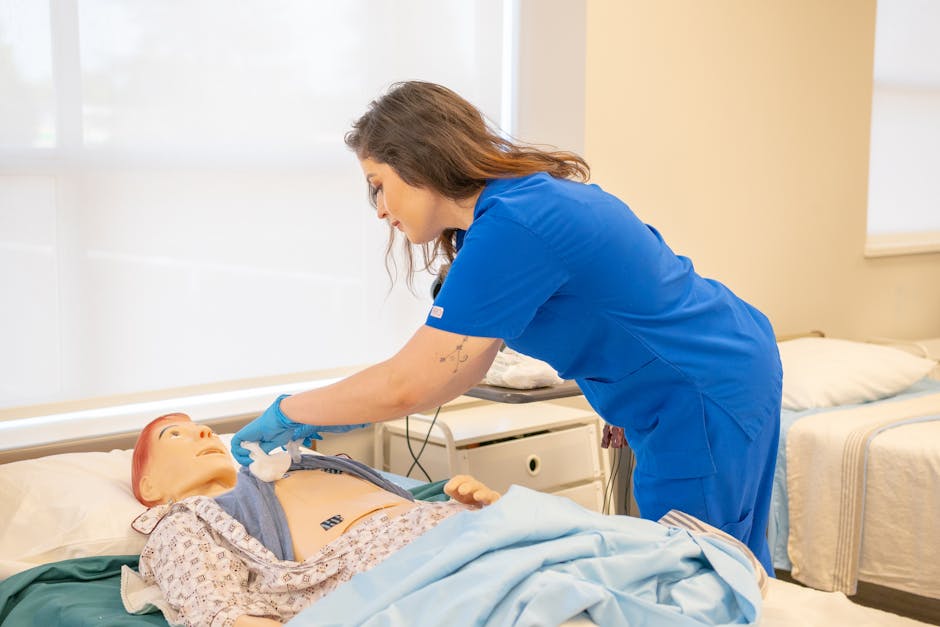
- Delivery and Practice: Training is often delivered through a blended approach, combining interactive online modules with hands-on, instructor-led sessions. Crucially, we use EHR sandboxes—training environments that mimic the live system—allowing users to practice without impacting real patient data.
- Super-User Program: We identify and train “super-users” from each department who become in-house experts. These individuals provide immediate peer support during and after go-live, reducing the burden on central IT and fostering a culture of internal learning. Robert Claudio, a primary content creator for The HIT Community, frequently highlights the success of super-user models in reducing learning curves by half.
- Ongoing Support and Feedback: Training doesn’t end at go-live. Continuous support, including dedicated helpdesks, remote troubleshooting via screen-sharing, and regular “tech huddles,” ensures issues are addressed quickly. Gathering feedback helps refine modules and identify areas for further education.
This structured approach ensures that every member of the care team feels confident and competent using the EHR for their specific duties. For example, in our work with Massachusetts eHealth Institute (MeHI), we’ve seen how targeted behavioral health provider specialization and outreach significantly improved EHR adoption metrics for specific workflows related to mental health documentation and billing.

Why is training staff for EHR implementation crucial for success?
Proper training minimizes disruption, improves user adoption, enhances data quality, and ensures compliance, ultimately maximizing the return on investment in a new EHR system. Without tailored training, clinicians struggle, leading to workarounds, frustration, and potential patient safety issues, undermining the entire implementation effort.
Ineffective adoption is a waste of potential. We’ve seen firsthand that 90% of clinicians complain of usability frustrations when training is inadequate. This isn’t just about comfort; it impacts patient care and operational efficiency. When staff aren’t confident in the EHR, they revert to old habits, creating data silos and negating the benefits of digital records. Moreover, poorly trained staff are more prone to errors, which can have significant consequences for patient safety and regulatory compliance.
“The biggest challenge in EHR adoption isn’t the technology itself, but aligning it with human workflows and ensuring every user feels capable and supported. Investment in user-centric training pays dividends in patient care and staff satisfaction.”
What are the EHR implementation best practices for implementing a new EHR system?
Key best practices include strong leadership buy-in, thorough workflow analysis, engaging super-users, comprehensive role-specific training, and robust post-implementation support to address issues promptly. These elements collectively foster a supportive environment conducive to successful EHR adoption and system optimization across all departments.
A successful EHR implementation requires more than just installing software. It demands a holistic strategy that accounts for people, processes, and technology. Here are critical best practices:
- Secure Executive Buy-In: Leadership must champion the EHR initiative, providing resources and visibly supporting the change.
- Thorough Workflow Analysis: Before deployment, analyze and redesign workflows to align with the new system’s capabilities, ensuring minimal disruption and maximum efficiency.
- Engage Key Stakeholders Early: Involve end-users from various departments in planning and testing phases to build ownership and gather practical insights.
- Develop a Robust Role-Specific Training Plan: This is non-negotiable. Tailor content to specific job functions, as discussed, and provide ample hands-on practice.
- Establish a Strong Support Infrastructure: Implement a tiered support system including super-users, a dedicated helpdesk, and continuous education resources. Our experience with partners shows 80% of tickets are solved immediately by remote troubleshooting through screen-sharing.
- Communicate Continuously: Keep staff informed about progress, challenges, and successes. Manage expectations effectively throughout the transition.
For more detailed insights and resources on navigating these complex transitions, explore the comprehensive knowledge network The HIT Community offers to healthcare professionals nationwide.

What To Look For: Signs Your EHR Training Needs a Refresh
Even after initial implementation, training needs evolve. If your organization is experiencing any of the following, it might be time to reassess your EHR training strategy:
- Frequent user errors or documentation inconsistencies.
- Persistent reliance on paper workarounds for tasks that should be digital.
- Low utilization of advanced EHR features despite their availability.
- High volume of helpdesk tickets for routine functions.
- Visible signs of user frustration, burnout, or resistance to system updates.
- Decreased clinical productivity or slower patient throughput.
- Audit flags related to incomplete or inaccurate data, potentially indicating compliance gaps.
- New hires consistently struggling to get up to speed on the system.
Addressing these signs proactively through targeted training interventions can significantly improve system performance and staff morale.
What are the stakeholders in EHR implementation?
Key stakeholders include executive leadership, clinical staff (physicians, nurses), administrative staff, IT professionals, billing and coding specialists, and external partners like payers or Health Information Exchanges (HIEs), all of whom have vested interests in successful adoption. Each group brings a unique perspective and set of requirements to the implementation process.
Successfully integrating an EHR means engaging with diverse groups. Executive leadership provides strategic vision and resources. Clinical staff, from physicians using Epic’s CPOE to nurses documenting care plans in Cerner, are the primary end-users, directly impacted by workflow changes. Administrative staff manage scheduling and patient flow, often relying on systems like athenahealth for smaller clinics. IT professionals are crucial for technical setup, maintenance, and security. Billing and coding specialists ensure accurate financial operations. External partners, such as those involved in FHIR data exchange for interoperability, also influence requirements and data flow. The HIT Community, with its 12+ years of operation and strong regional extension center partnerships, has extensive experience coordinating these diverse stakeholders, often aligning with Office of the National Coordinator (ONC) initiatives on Meaningful Use.
“Interoperability and user experience are two sides of the same coin in health IT. Without strong stakeholder engagement and user-centric design, even the best technical systems will fall short of their potential to transform care.”
— Karen Bell, MD, MA, former Director of the ONC’s Office of Health Information Technology Adoption
Considering Alternatives and Exceptions
While role-specific training is highly effective, it’s essential to recognize that not every situation demands a full-scale program. Sometimes, vendor-provided training for foundational system knowledge is sufficient, especially for smaller practices or specific modules. However, these often lack the depth needed for nuanced, real-world clinical workflows. For organizations implementing large-scale systems like Epic or Cerner, the complexity usually mandates a tailored approach beyond what the vendor supplies out-of-the-box. Simpler, easier-to-use tools such as athenahealth might require less intensive customization but still benefit from workflow-aligned education.
For minor system updates or new feature rollouts, microlearning videos or short, targeted training bursts can be more agile than comprehensive modules. The key is to assess the specific need. Is it a major system overhaul, or just a refinement? Tailor the training intervention to the scope of change.
What results can you expect from effective role-specific EHR training?
With effective role-specific EHR training, you can expect improved user proficiency, reduced errors, and enhanced data quality, leading to greater operational efficiency and better patient outcomes. While there may be an initial, temporary dip in productivity post-go-live as users adapt, steady improvements typically follow within weeks to months.
Realistic timelines for seeing results generally show a stabilization period of 2-4 weeks after go-live, followed by measurable improvements in efficiency and reduced error rates within 3-6 months. Our case studies, including the Reliant Medical Group EHR implementation series, have demonstrated tangible outcomes: we’ve observed significant reductions in documentation errors (up to 30%) and improvements in specific clinical metrics. For instance, with optimized telehealth platforms like Doxy.me integrated with EHRs, we’ve helped achieve a 40% reduction in no-show rates by streamlining scheduling and reminder workflows through trained administrative staff.
Practical Tips for Implementing Effective Role-Specific Training
Maximizing your investment in EHR training requires a strategic, proactive approach. Here are practical steps to ensure your training programs yield the best results:
- Start Early: Begin planning and developing training curricula well in advance of your EHR go-live date to avoid rushed preparations.
- Use Real-World Scenarios: Move beyond theoretical knowledge. Design training exercises that mimic actual patient cases and daily workflows for each role.
- Leverage EHR Sandboxes: Provide ample opportunities for hands-on practice in a non-production environment. Repetition builds confidence.
- Implement a Blended Learning Approach: Combine online modules for foundational knowledge with in-person, instructor-led sessions for complex workflows and Q&A.
- Develop a Robust Super-User Network: Identify enthusiastic and knowledgeable staff from each department who can serve as peer trainers and first-line support.
- Establish Clear Support Channels: Ensure users know exactly who to contact for help, whether it’s a super-user, a dedicated helpdesk, or IT. Implement screen-sharing for remote troubleshooting to address issues swiftly.
- Collect and Act on Feedback: Regularly solicit feedback from trainees and post-implementation users to refine content, address lingering pain points, and iterate on your training strategy.
By focusing on these practical elements, organizations can ensure that their EHR training is not just a checkbox exercise, but a powerful catalyst for improved patient care, operational excellence, and a more confident, efficient workforce. The ongoing support and continuous professional development fostered by The HIT Community are central to achieving these long-term gains, transforming the process of care delivery when tools are used properly.